There is a familiar, often unspoken weight to the question of where we will spend the later chapters of our lives. When mobility changes or a health diagnosis enters the picture, families can be forced into a sudden, high-stakes conversation about housing. While certain advanced medical conditions make a Continuing Care Retirement Community (CCRC) an absolute necessity, the raw, deeply human desire to stay right where you are is something we hear and feel every single day.
It is the dominant feeling among our clients in the Pennsylvania area. They cherish the familiar rooms, the specific way the morning light hits the kitchen table, their established daily routines, and the neighbors who have become fixture points in their lives. The status quo narrative says that when you grow older, you pack up and move. We are here to challenge that assumption.
The Comfort of Familiarity and Hidden Costs
Most of us measure our lives by the spaces we inhabit. The kitchen where you raised your children, the living room that holds decades of holiday memories, and the neighborhood block you know by heart. These are not just physical structures built of wood and brick. They are the emotional foundation of your daily routine and mental well-being.
When faced with declining mobility or a new medical diagnosis, the immediate assumption by well-meaning family members is often that a drastic move, such as to an assisted living facility or a CCRC, is the only path forward. But leaving a familiar environment comes with massive hidden costs, both emotionally and financially.
We see the familiar rooms and spaces of a home not as a collection of structural hazards, but as the anchors of a joyful, independent life. The emotional toll of downsizing a lifetime of possessions into a single room can be devastating. Our goal is to protect that independence by adapting the home to the person, rather than forcing the person to adapt to an institution.
Aging in Place vs. The Assisted Living Model
When you compare aging in place to moving into a Continuing Care Retirement Community, the differences go far beyond the zip code. It is a fundamental choice between institutional living and personal autonomy.
Continuing Care Retirement Communities (CCRCs): These facilities offer a tiered approach to housing and care, ranging from independent living to assisted living and skilled nursing.
- The Pros: Built-in social activities, on-site healthcare facilities, and maintenance-free living.
- The Cons: High buy-in fees, ongoing monthly costs, and the heavy emotional toll of leaving your established community while downsizing your life into a highly restricted footprint.
Aging in Place (with Home Modifications): Choosing to adapt your current home to meet your changing physical, neurological, and mobility needs.
- The Pros: You remain in your beloved community, maintain complete control over your schedule and environment, and the structural costs are generally a small fraction of the entry fees required by a CCRC.
- The Cons: The process requires thoughtful planning, structural modifications, and navigating a fragmented industry of contractors who often lack clinical insight.
According to extensive research from the AARP Public Policy Institute, the vast majority of older adults prefer to remain in their homes and communities as they age. But making this a reality requires intentional, expert planning. We will never suggest someone modify their home if their safety, function and joy cannot be met. But in far more cases than not, a home can be intelligently made safe to pave a path for years, or even decades, of continued independent living.
The Boast Perspective: Design for a Safe + Joyful Life
At Boast, we do not view senior home modifications as a series of sterile, clinical changes that turn your residence into a hospital wing. We exist directly at the intersection of healthcare, construction, and human experience.
True residential safety is not a one-size-fits-all checklist that you can download off the internet. It requires a highly thoughtful approach tailored specifically to your unique living situation, medical specifications, and exact physical measurements.
Many traditional aging in place contractors provide standard, uninspired hardware installations. We take a completely different approach. We believe that occupational therapy and skilled, high-end construction must work together hand-in-hand to create effective, beautiful home environments. We balance form and function so your home still looks and feels like your home, just highly engineered for safety.
When Is It Time to Make Changes?
Most families do not think about home safety until something preventable happens: a devastating fall, a sudden hospitalization, or a scary close call. The Centers for Disease Control and Prevention (CDC) notes that falls are the leading cause of injury among older adults, but many of these hazards can be directly mitigated through proactive, environmental modifications.
Some warning signs that it is time to have a professional assess your home safety include:
- Noticeable trouble getting in or out of a standard bathtub or shower.
- Relying on furniture, door frames, or walls to steady balance while moving through the house.
- An increasing difficulty or hesitation when navigating stairs.
- Subtle problems with balance, especially on slick surfaces like the bathroom floor.
- Doorways that feel too narrow for walkers.
- Frequent tripping on slight thresholds, transition strips, or area rugs.
A Path Forward
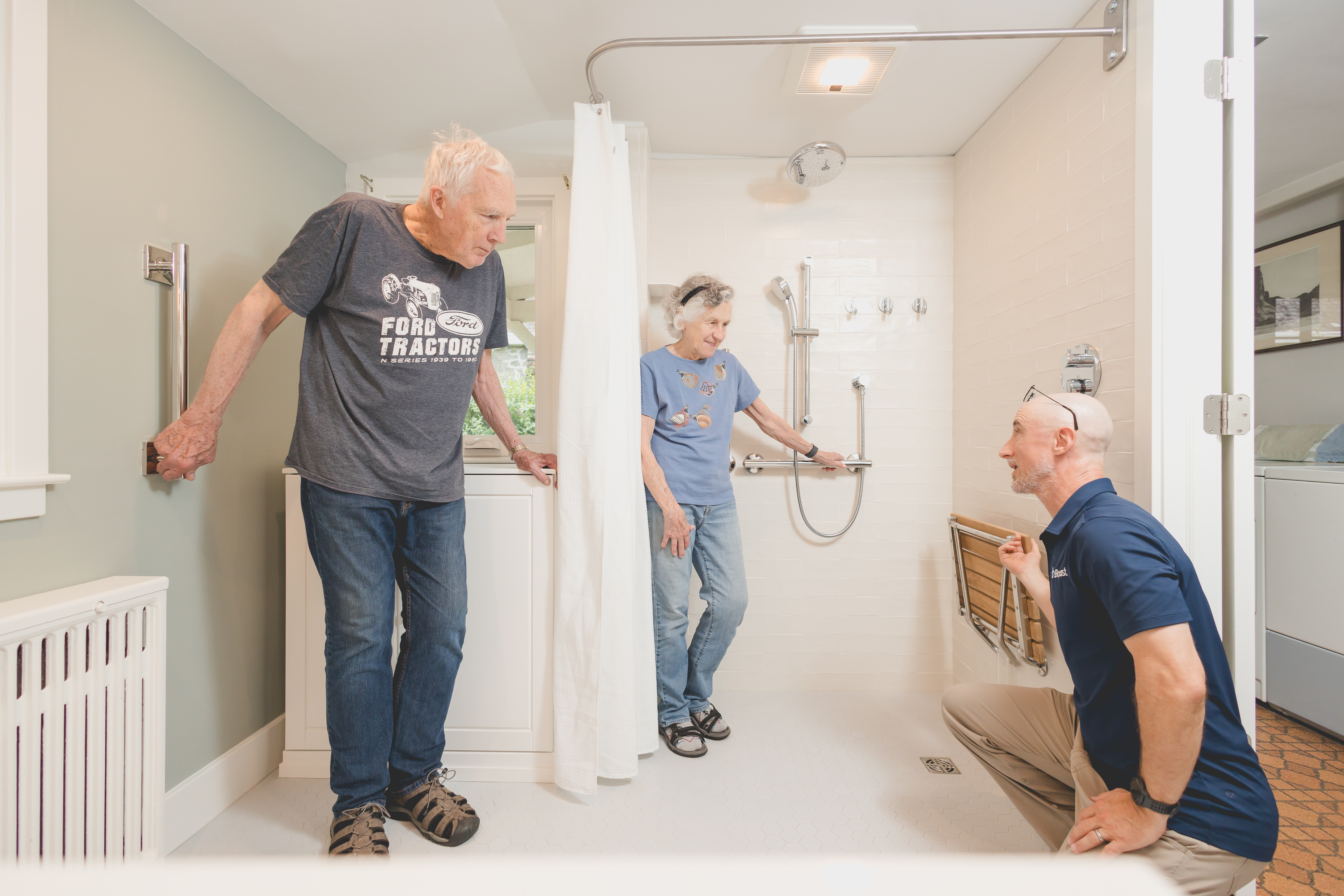
A proper, professional assessment looks at both the person and the physical home together as a single unit. Our Certified Aging in Place Specialists (CAPS) and construction team walk through your space alongside you and your caregivers. We look closely at mobility, fall risk, and what your health and function might look like in the years ahead.
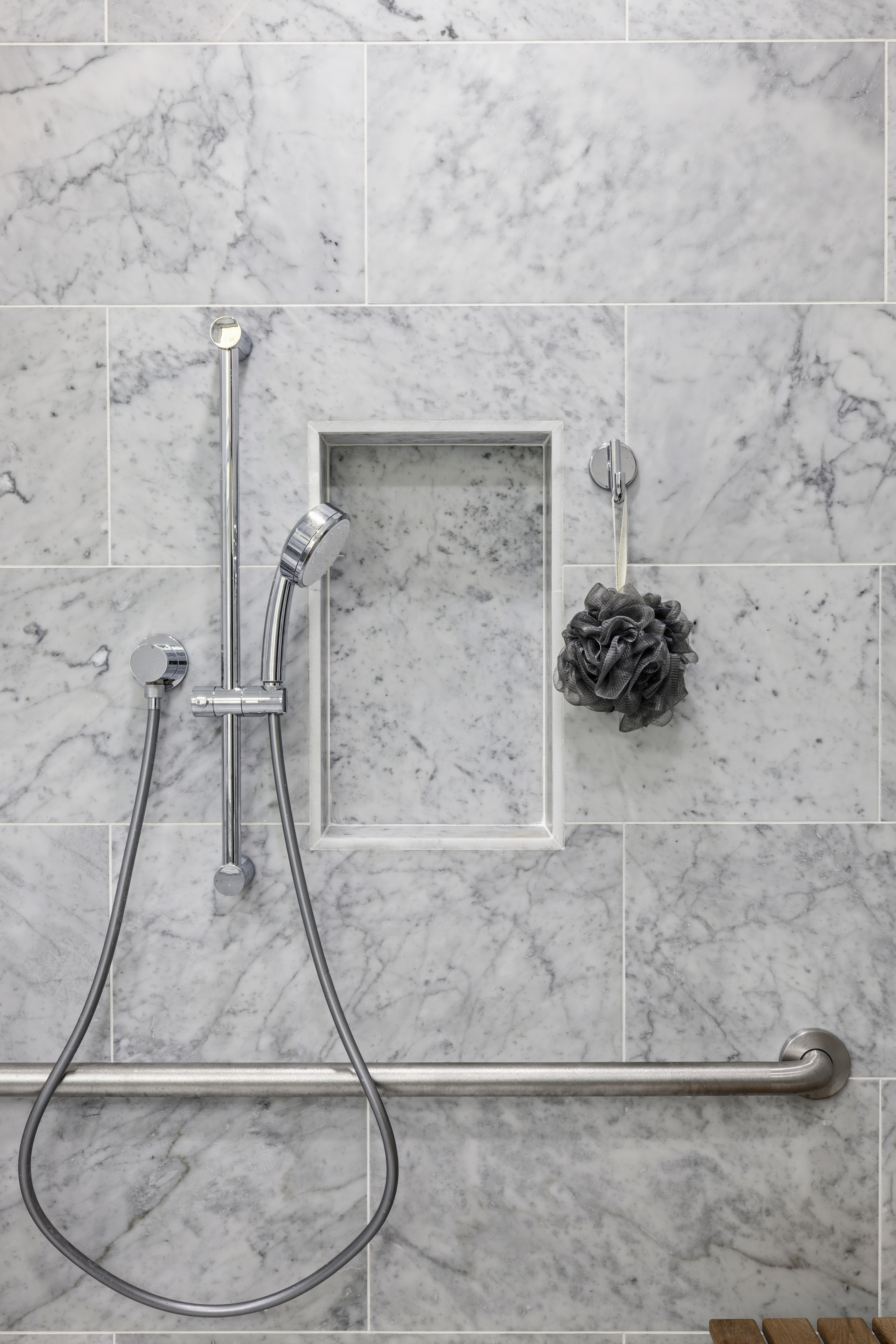
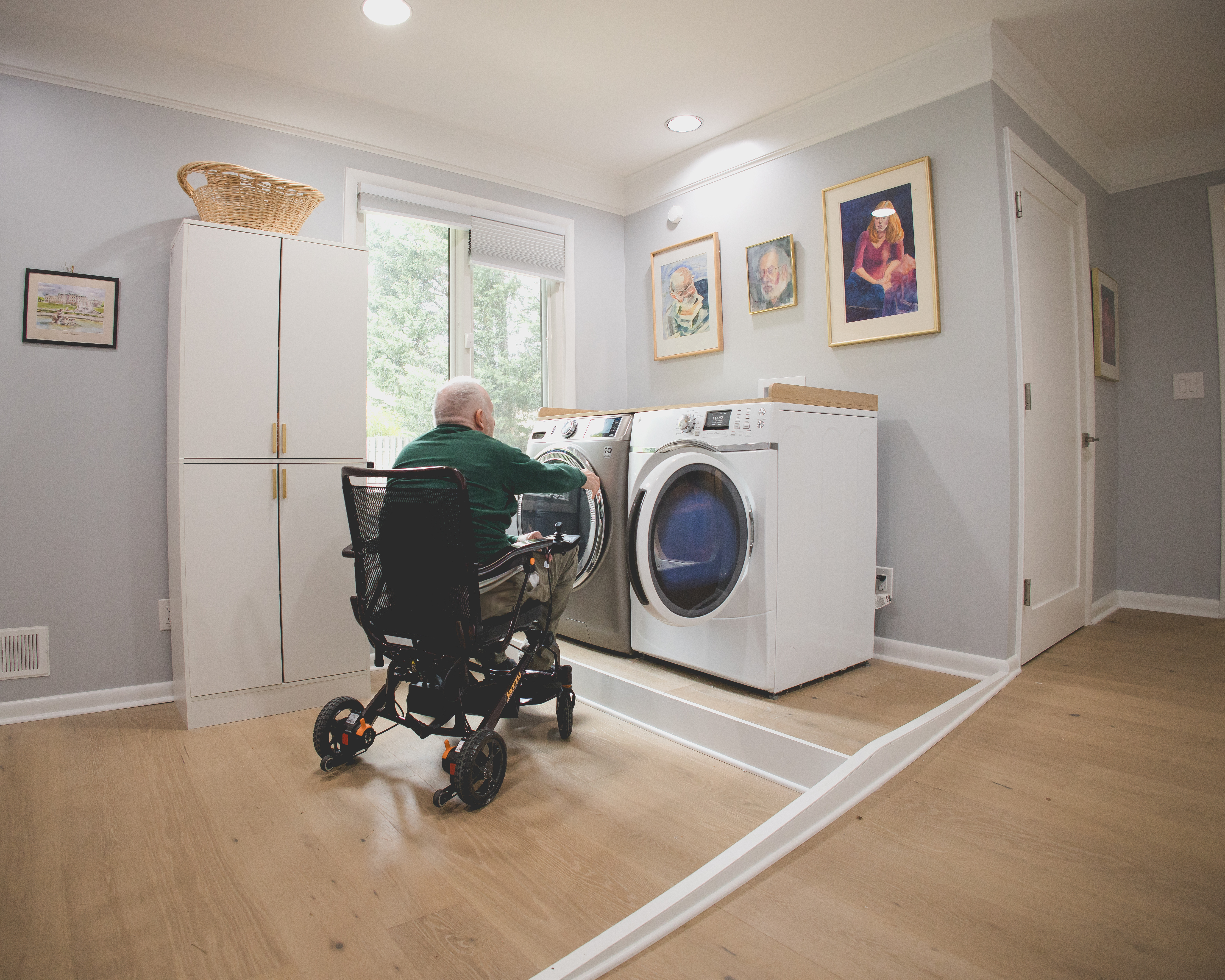
We then pair that deep clinical understanding with true craftsmanship to bring necessary safety features, like load-bearing grab bars, accessible zero-threshold bathrooms, and smooth floor transitions, into your home seamlessly. It is about being proactive rather than reactive, protecting your wealth, your health, and your peace of mind.
Frequently Asked Questions
What is an aging in place contractor?
An aging in place contractor helps individuals remain safe, comfortable, and independent at home through structural modifications like walk-in showers, ramps, and stair solutions. At Boast, we take this a step further by combining occupational therapy insights with construction, ensuring modifications are customized around the specific physical capabilities of the person using them.
How do I know if my home is safe for long-term living?
Warning signs include relying on furniture for balance, physical exhaustion on stairs, or struggling to navigate the bathroom safely. A professional assessment by an occupational therapy and CAPS specialist can identify hidden environmental hazards that standard home inspectors or contractors completely miss.
Will senior home modifications ruin the look of my home?
Not at all. Thoughtful, human-centered engineering blends seamlessly with your home’s existing aesthetic design. Our modifications focus on function, high-end form, and residential joy, ensuring your space remains beautiful, highly valuable, and safe.