When we evaluate a home for long-term aging in place, it is completely natural to focus the spotlight entirely on the individual with the most immediate, visible physical needs. We measure their reach, evaluate their dynamic balance, and carefully map out their daily routines. But far too often, the spouse or healthy partner living in the home is completely left out of the evaluation, design, and renovation equation.
This is a profound oversight that occurs every day in the construction industry. Caregiving is a deeply demanding physical and emotional reality, and it is frequently carried out by a spouse who is quietly navigating their own natural aging process. When we design home modifications, we must design them to protect the person giving the care just as much as the person receiving it.
The Physical Toll of Invisible Caregiving
We see it constantly across the Philadelphia region: a dedicated, loving spouse lifting, bracing, twisting, and assisting their partner through domestic spaces that are actively working against them both.
A traditional bathroom with a standard tub forces a spouse to bend at awkward, un-ergonomic angles to assist with basic bathing. A narrow hallway or a cramped bedroom requires manual transfers that place immense structural stress on the caregiver’s lower back, knees, and shoulders. According to long-term data from the Family Caregiver Alliance, a staggering percentage of co-residing spouse caregivers suffer from chronic physical pain or musculoskeletal injury directly related to daily caregiving activities.
When a home isn’t modified properly with clinical insight, the caregiver is forced to compensate for structural flaws with their own muscle and bone. This isn’t sustainable. It is a direct recipe for a dual-injury scenario, where a single slip or back spasm can instantly compromise the health and independence of both individuals simultaneously.
The Boast Perspective: The Care Unit
At Boast, we don’t just see a single patient; we see a complete care unit. Our clinical home assessments look carefully at how the spouse moves within the home, where their physical fatigue sets in, and what specific domestic tasks cause them the most acute physical strain. If the spouse gets hurt, the entire system breaks down, and institutionalization becomes the only option left.
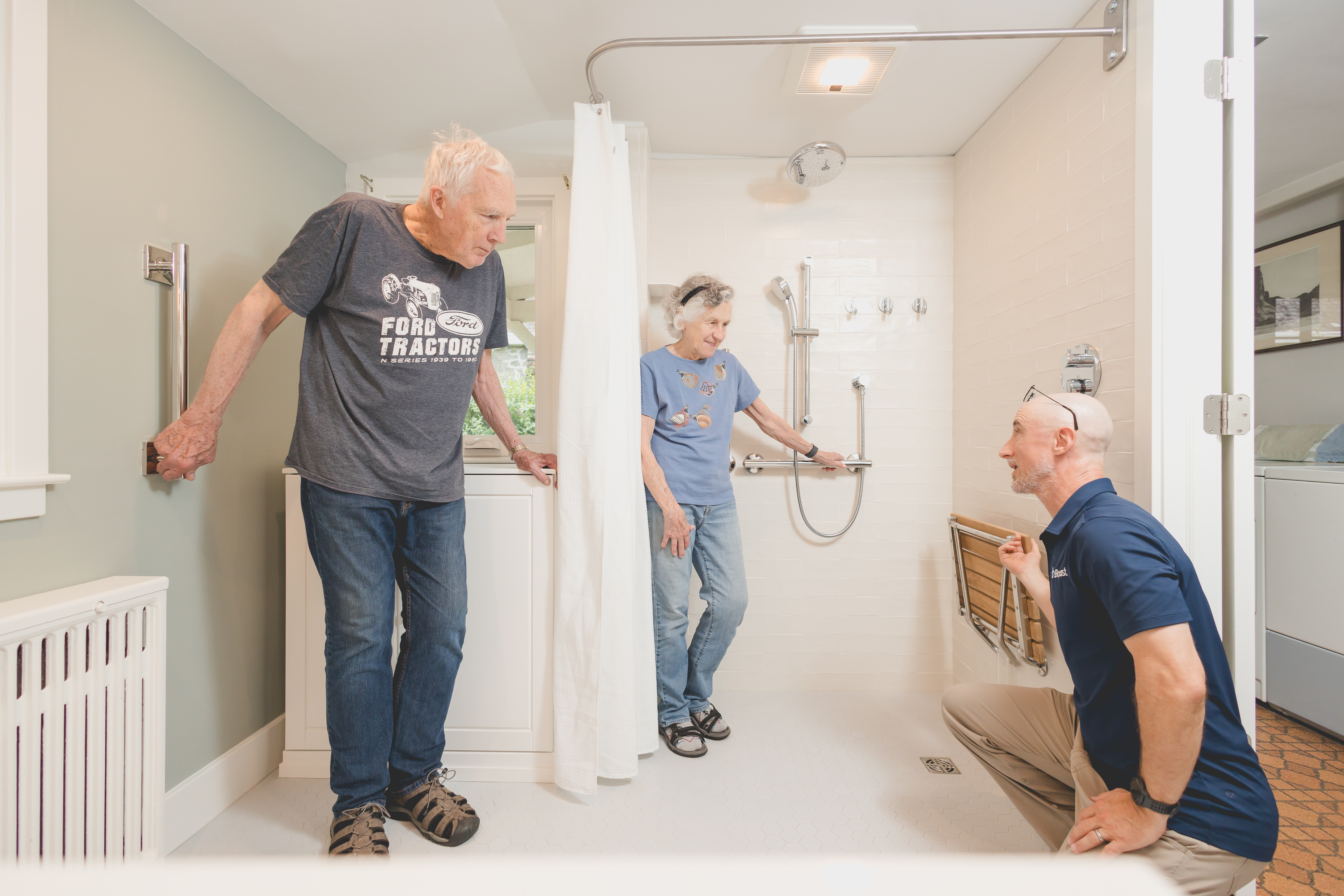
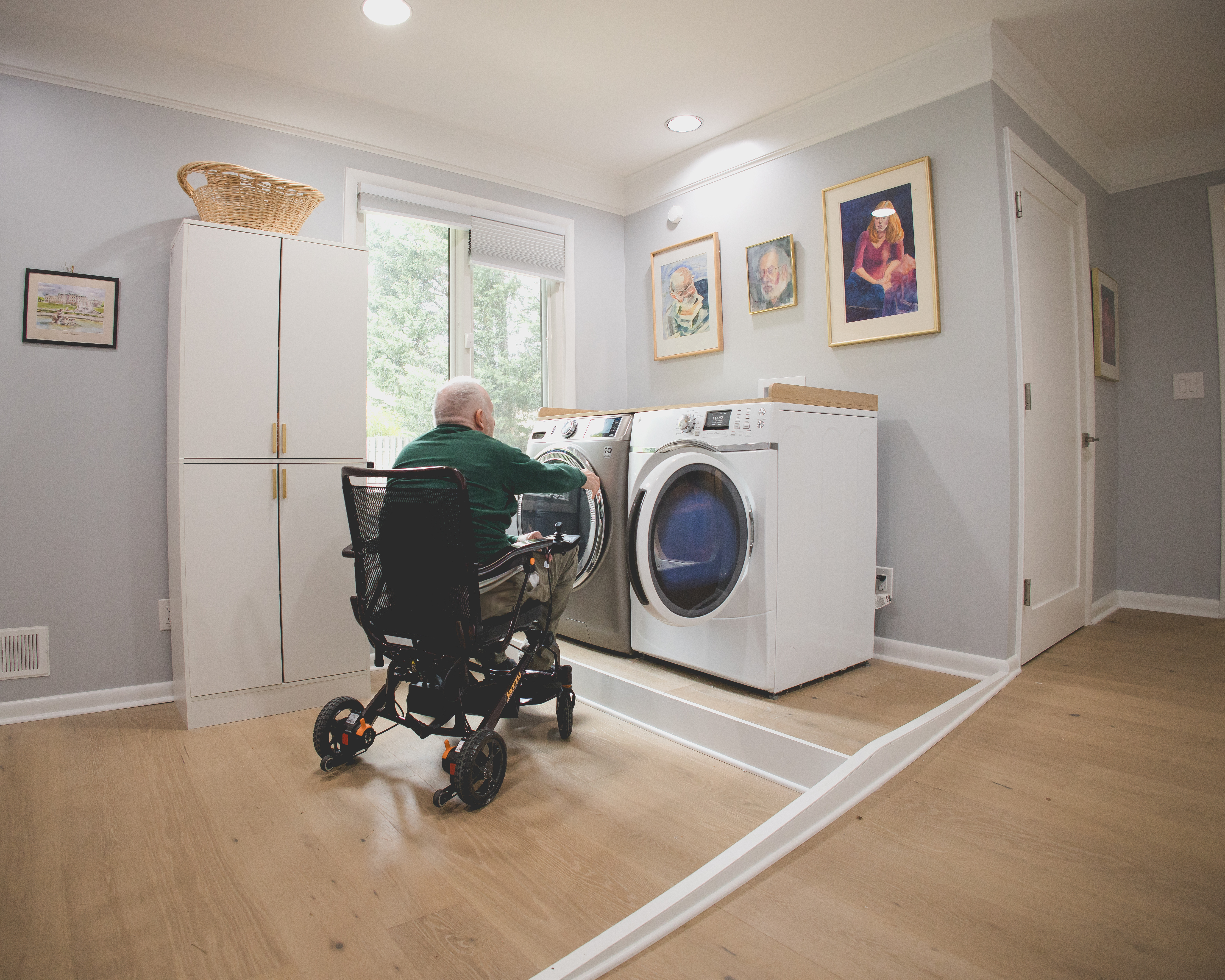
We design home modifications that act as mechanical advantages for the caregiver. Raised, comfort-height toilets drastically reduce the vertical lift distance required during a transfer. Zero-threshold, curbless showers allow for seamless roll-in or walk-in assistance without the partner needing to awkwardly hoist, catch, or steady their spouse over a dangerous porcelain ledge. By making the residential environment do the heavy lifting, we preserve the caregiver’s physical stamina, reduce emotional burnout, and protect the couple’s shared future.
Frequently Asked Questions
How do home modifications help a spouse who isn’t currently injured or sick?
Modifications drastically reduce the daily physical effort required to assist a partner with essential tasks like bathing, transferring, and navigating home entries. By introducing proper leverage points and removing physical obstacles, you directly prevent acute caregiver injuries like debilitating back strains and cumulative exhaustion.
Can a home modification accommodate two people with entirely different physical needs?
Yes, absolutely. Through intentional, clinical-led universal design, fixtures like adjustable-height handheld shower heads, strategically placed multi-level grab bars, and clear, uninhibited pathways can safely serve both an independent, highly mobile adult and a partner requiring significant physical assistance.
What is the single best modification to reduce caregiver burnout?
Comprehensive bathroom modifications, specifically curbless walk-in showers and accessible vanities, provide the highest immediate relief. Bathroom transfers present the highest physical demand and the absolute highest fall risk for both parties, making it the most critical area to re-engineer.